Wood-Fuel Facts
Wood is not a carbon neutral fuel. It is a low carbon alternative to fossil fuels. Carbon is released as a result of planting, harvesting, processing, and distributing wood-fuel. When compared with fossil fuels and managed well, wood can be a sustainable fuel that reduces net carbon emissions.
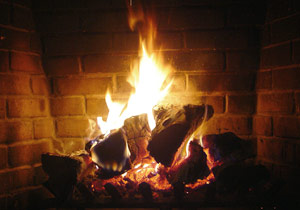
On open fires and in inefficient stoves burning produces smoke containing air pollutants such as carbon monoxide and oxides of nitrogen. Long-term exposure to carbon monoxide can cause health problems, dizziness, severe headaches, and at high concentrations, even death. Oxides of nitrogen combine with water to form acid rain which kills vegetation and poisons soils.
Defra-approved stoves are designed with a form of 'double combustion' that circulates the burnable gases through the hottest part of the stove and mixes them with air. Temperatures are stoked to such a level that wood burns completely, giving off light, heat, and the gases carbon dioxide and water vapour. Consequently, no wood smoke is released from the chimney.
Wood type also has an effect on emissions. Hardwoods (e.g. oak, mahogany, ash) are higher in density than softwoods and burn slower and more evenly, producing less smoke. Softwoods (e.g. larch, spruce, fir) contain higher amounts of sap and burn much more quickly, producing thick smoke and a black, oily resin called creosote which sticks to the chimney flue.